
Industries
Where C-Coat coatings are applied and what each sector solves.
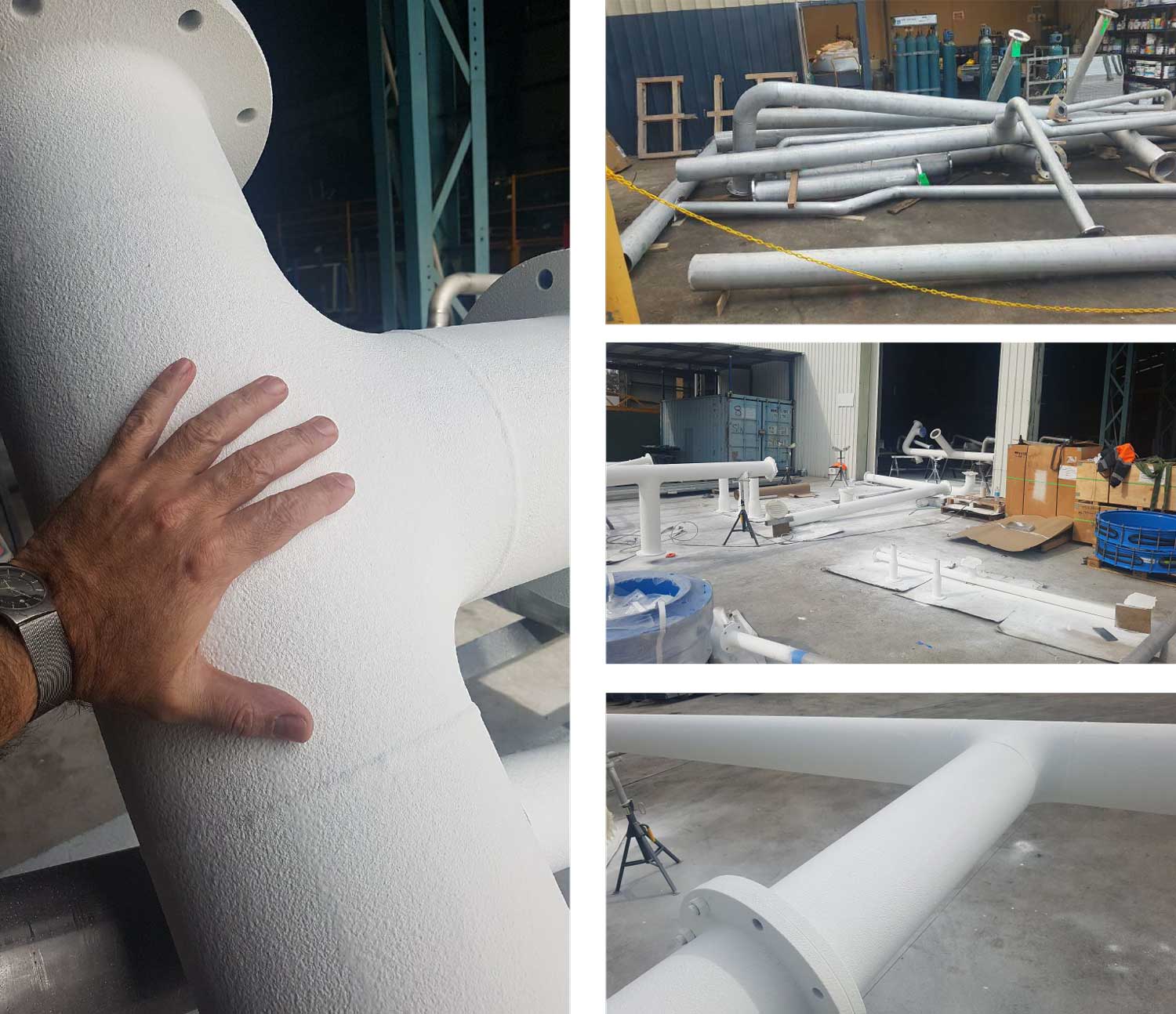
Process industry and steam lines
Steam and hot process fluids lose heat along every metre of line, and conventional lagging on complex geometry — elbows, valves, flanges, pumps — is left unfinished exactly where the losses are greatest.
Details →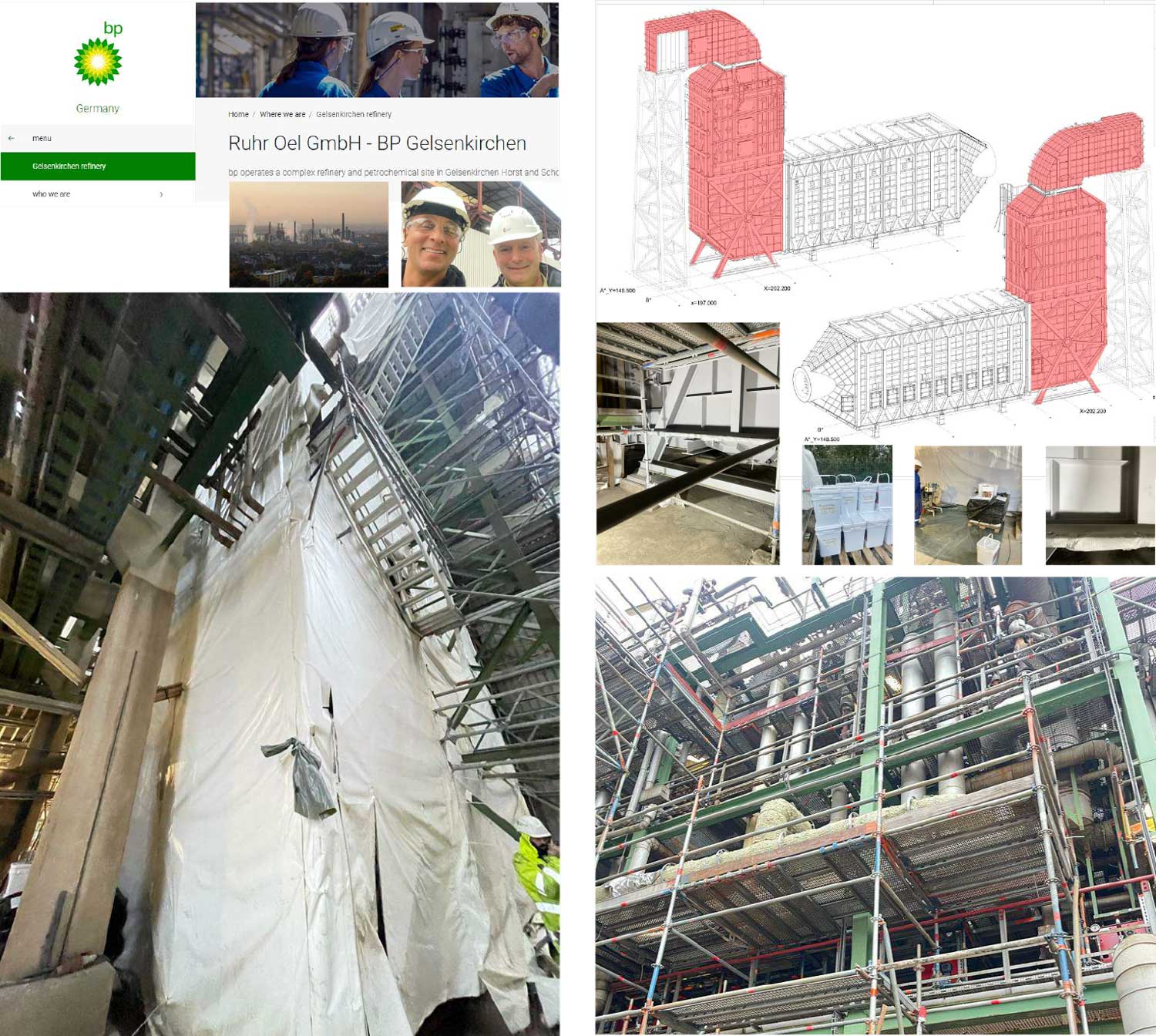
Oil, gas and petrochemical
In petrochemical plants insulation and corrosion protection are not two separate jobs — the same surface has to withstand the operating temperature, the chemical atmosphere and moisture, for years between turnarounds.
Details →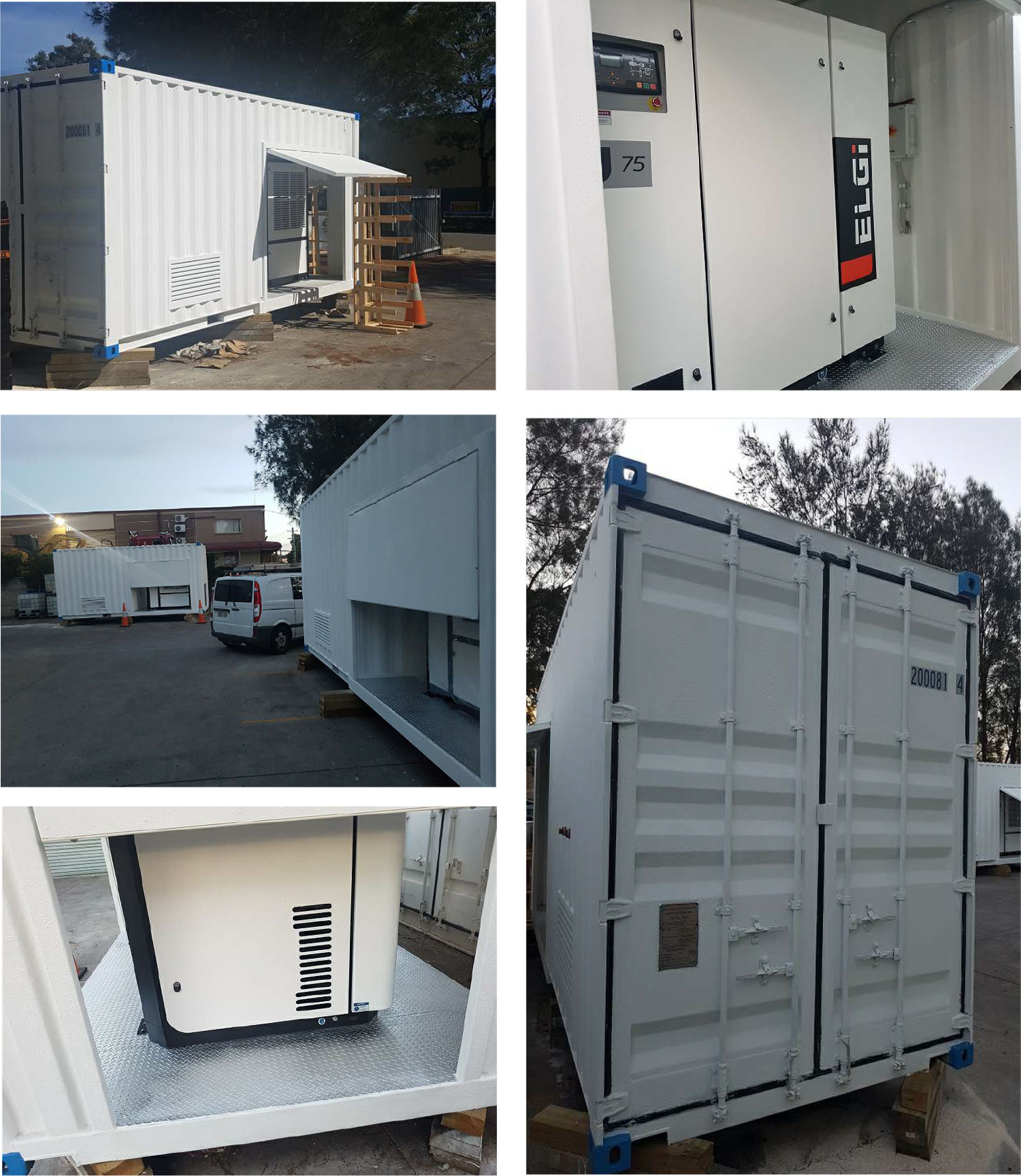
Mining
Mining equipment works far from the workshop, in dust and in the open, and downtime caused by insulation that has fallen apart costs more than the insulation itself.
Details →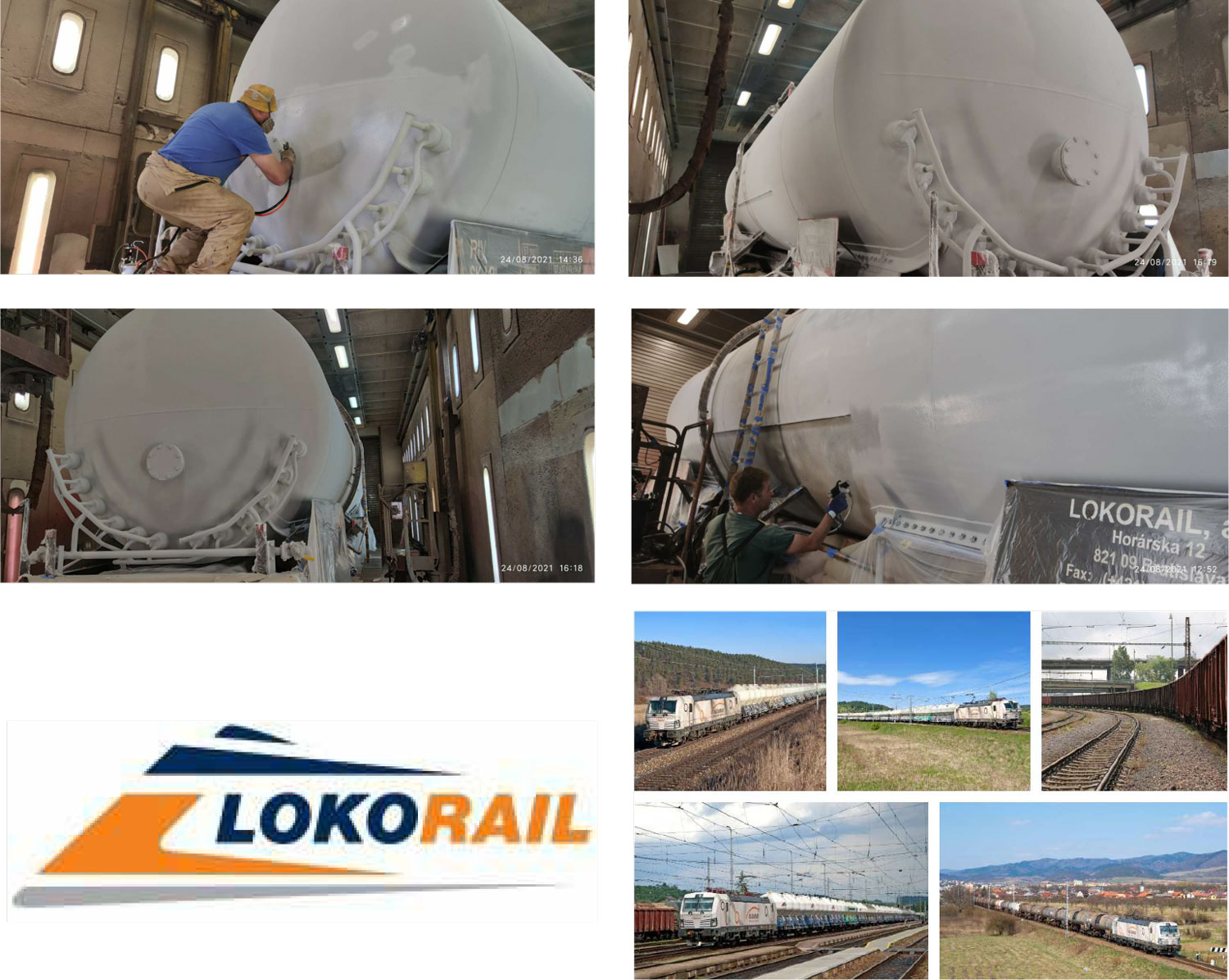
Rail and transport
In a vehicle every centimetre of interior space is billable and every kilogram is fuel cost — which is why thick insulation on the body is not an option.
Details →
Marine and shipbuilding
Salt atmosphere, constant humidity and unshaded sun are the harshest test for any coating system — at sea a wrong choice shows within one season.
Details →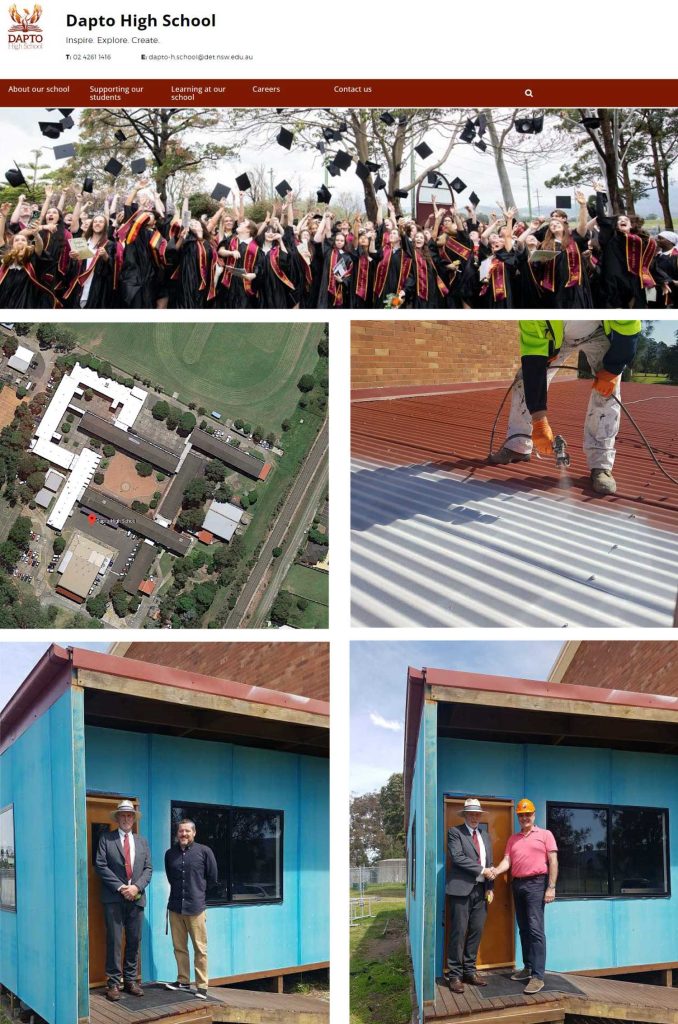
Schools and public buildings
Schools are heated and cooled from a public budget, and works on them have to fit into the holidays — two facts that rule out any insulation involving scaffolding and a long programme.
Details →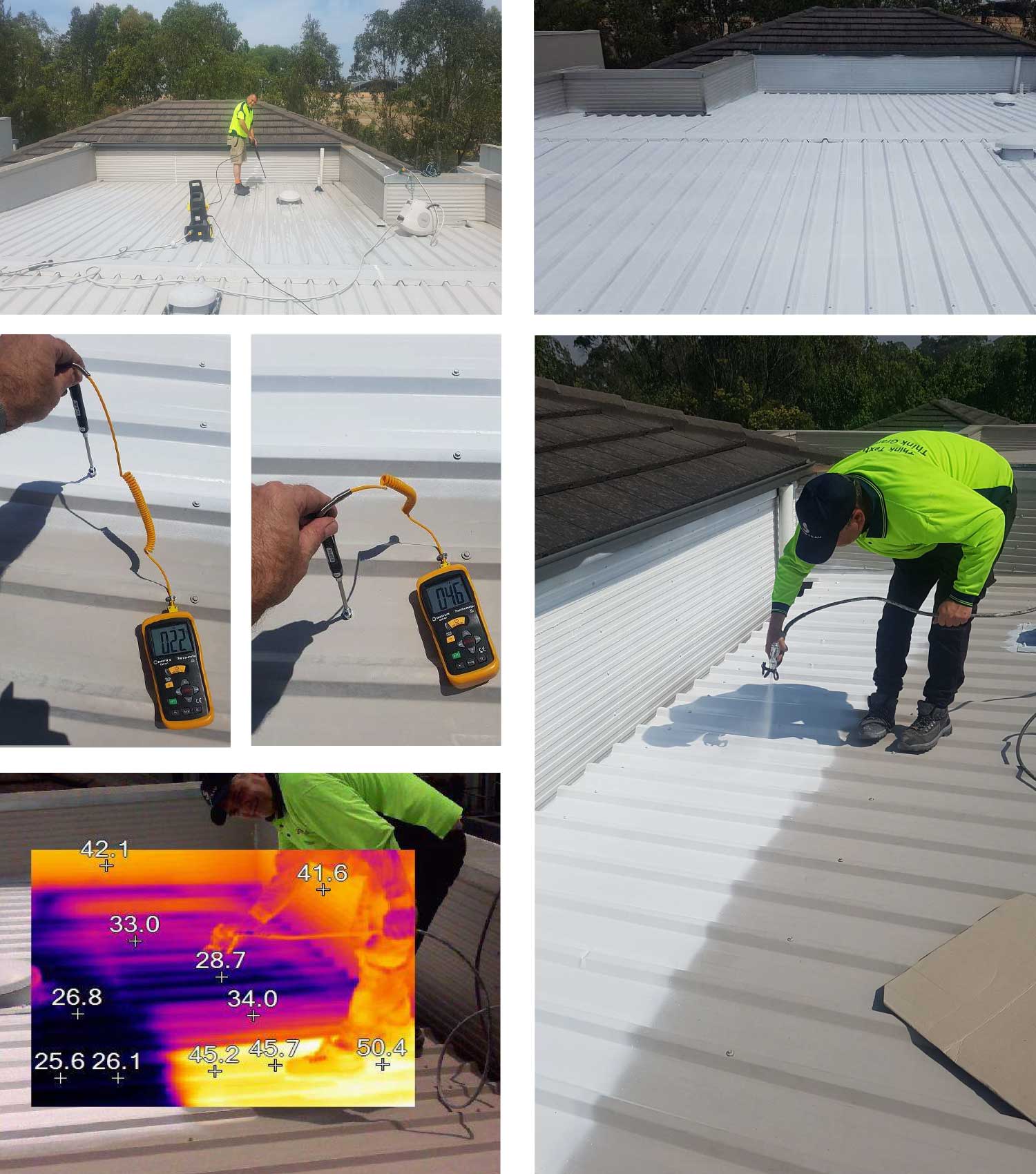
Roofs and facades
A metal roof passes 70 °C in summer and hands that heat to the space below all day. Conventional insulation means stripping the roof or dropping the ceiling; a coating means neither.
Details →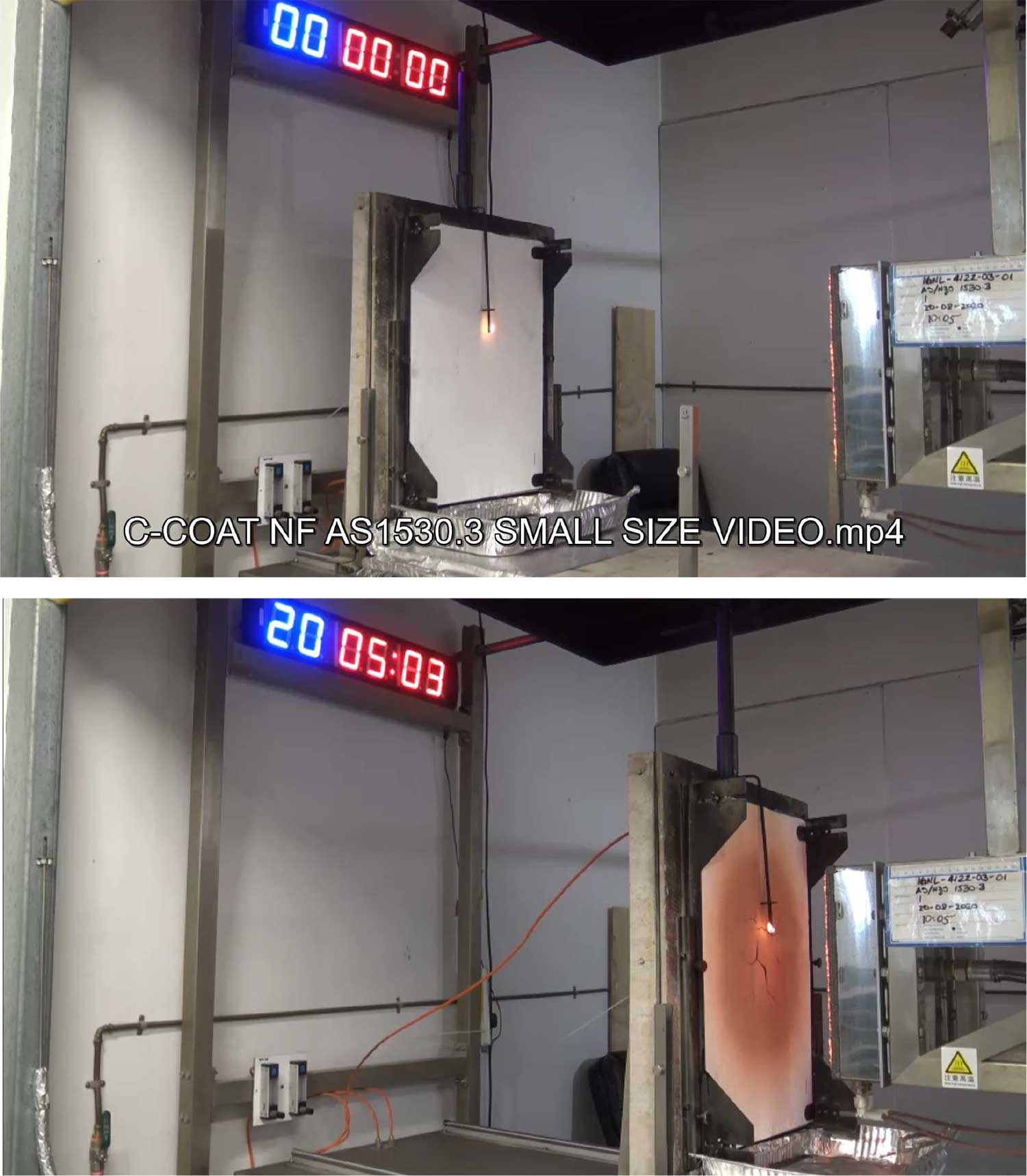
Fire protection
Steel does not burn, but at around 500 °C it loses load-bearing capacity. A fire protection coating buys evacuation time by delaying the moment the structure reaches that temperature.
Details →
Aerospace and defence
In aerospace, insulation is always a trade-off against mass. A coating measured in tenths of a millimetre changes that calculation.
Details →Contact
We use your details only to reply to your inquiry.