
Thermal insulation of steam lines, tanks and process equipment
Steam and hot process fluids lose heat along every metre of line, and conventional lagging on complex geometry — elbows, valves, flanges, pumps — is left unfinished exactly where the losses are greatest.
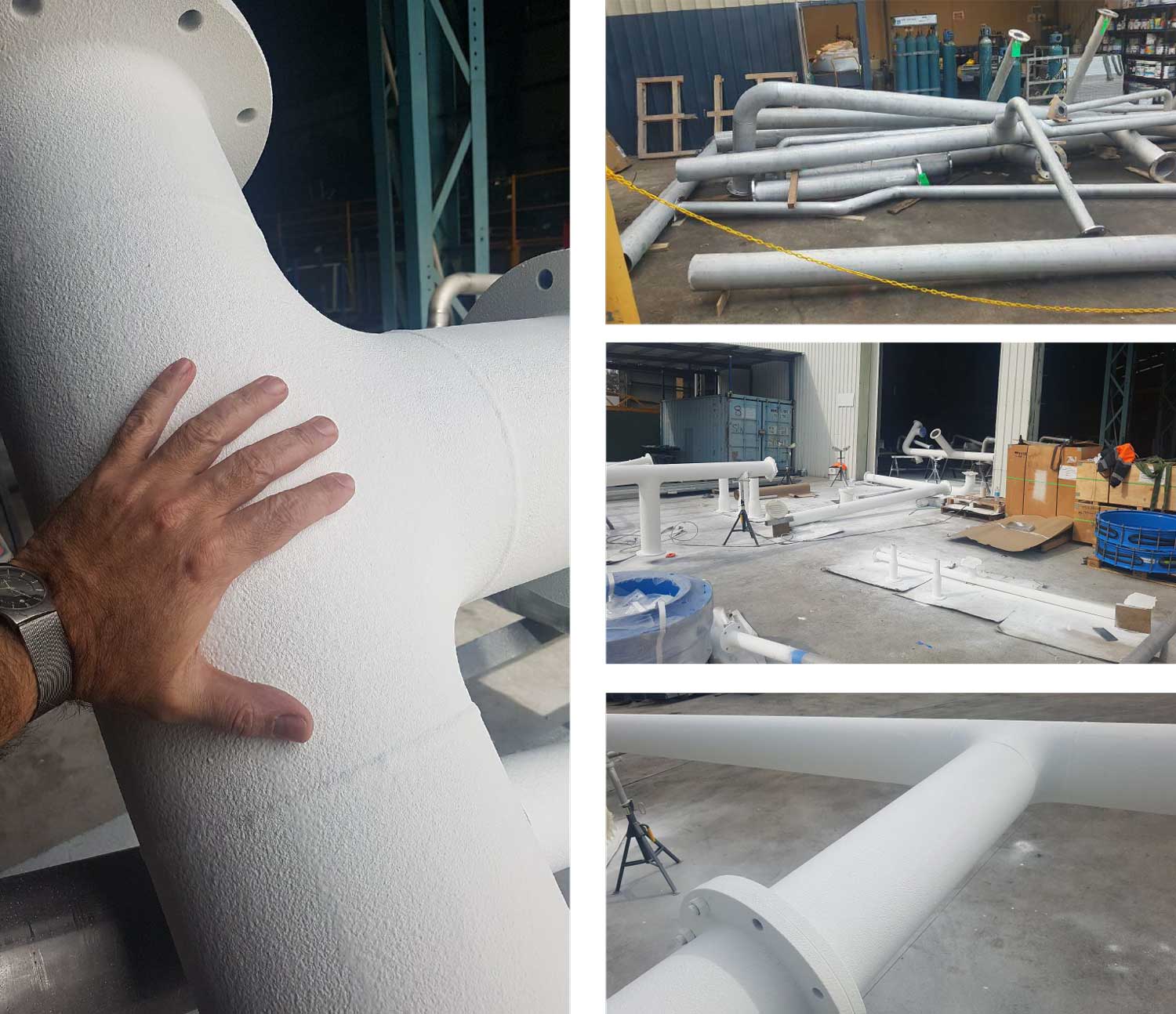
What it solves
A thin coating follows the shape of the pipe, so it insulates what mineral wool and cladding cover poorly. The result is less lost heat, a lower outer surface temperature and a work zone that can be walked without guarding or protective jacketing.
Safe to touch
On steam lines at 150–250 °C, contact protection is a regulation rather than an extra. On the steam line project in India, a 200 °C pipe was brought by coating into a range where brief contact does not cause a burn, with no metal jacket around the pipe.
Condensation and corrosion under insulation
Cold and humid lines collect condensate, and condensate under conventional lagging attacks the pipe unnoticed for years. The coating is a closed system with no cavity for water to sit in, so the condition of the pipe stays visible.
Maintenance without shutdown
The coating is renewed locally at the damaged spot and can be applied to equipment in service with suitable preparation. There is no cladding to strip and no need to remove a whole insulation run because of one flange.
Choosing the system
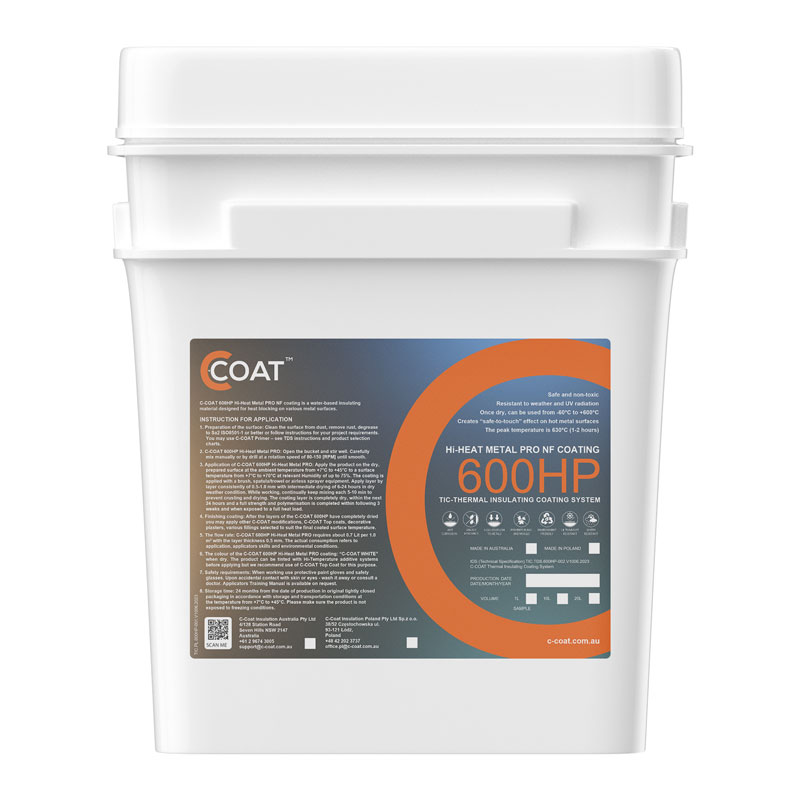
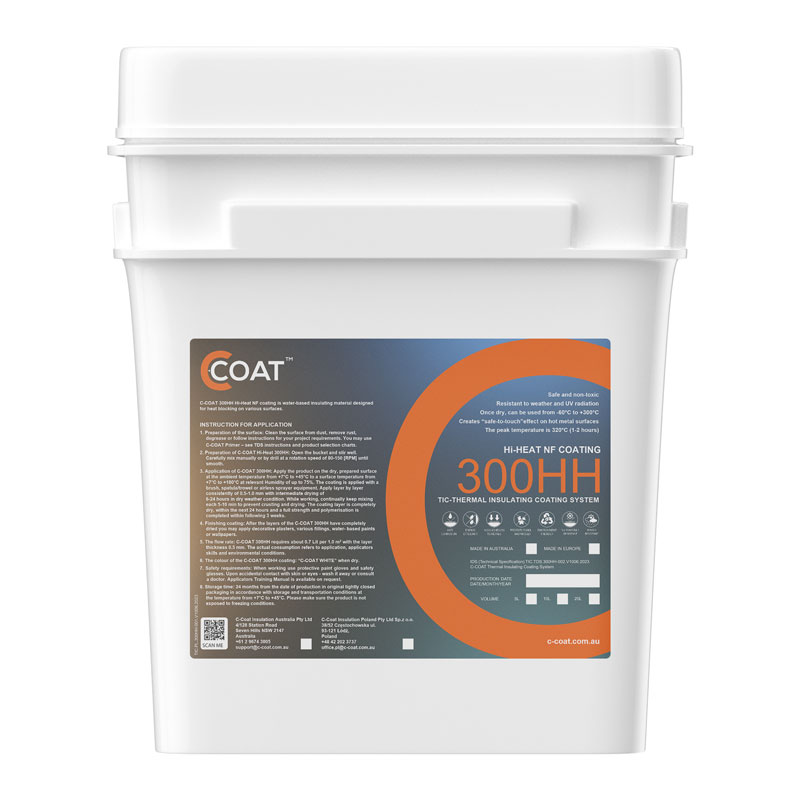
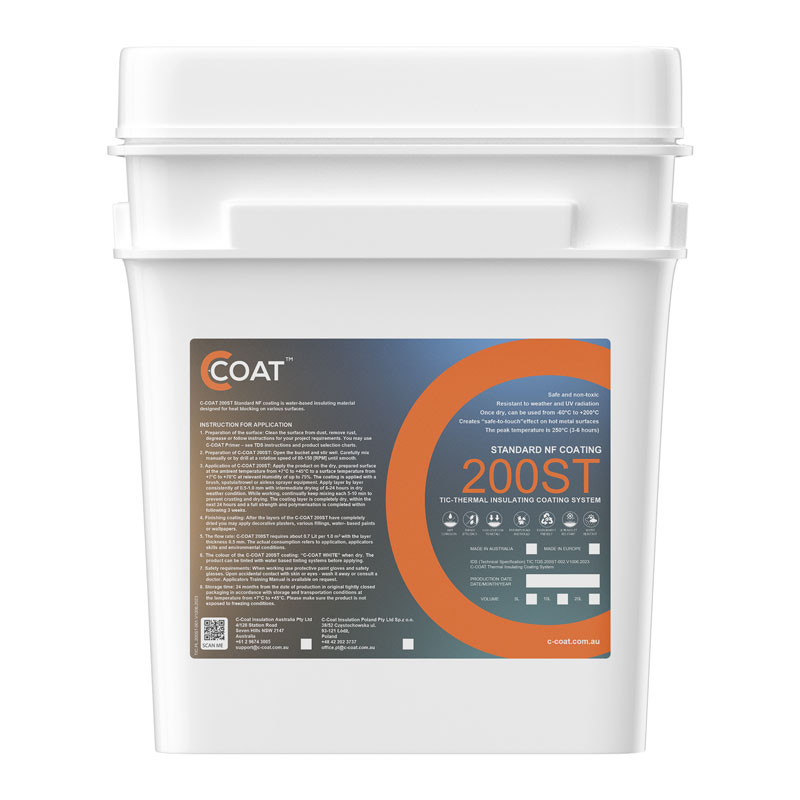
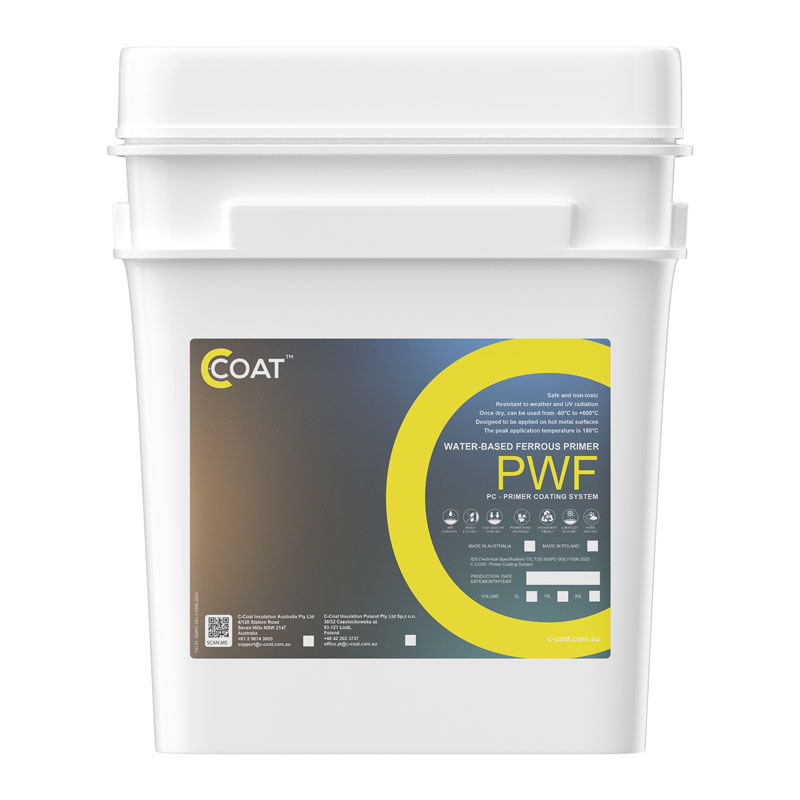
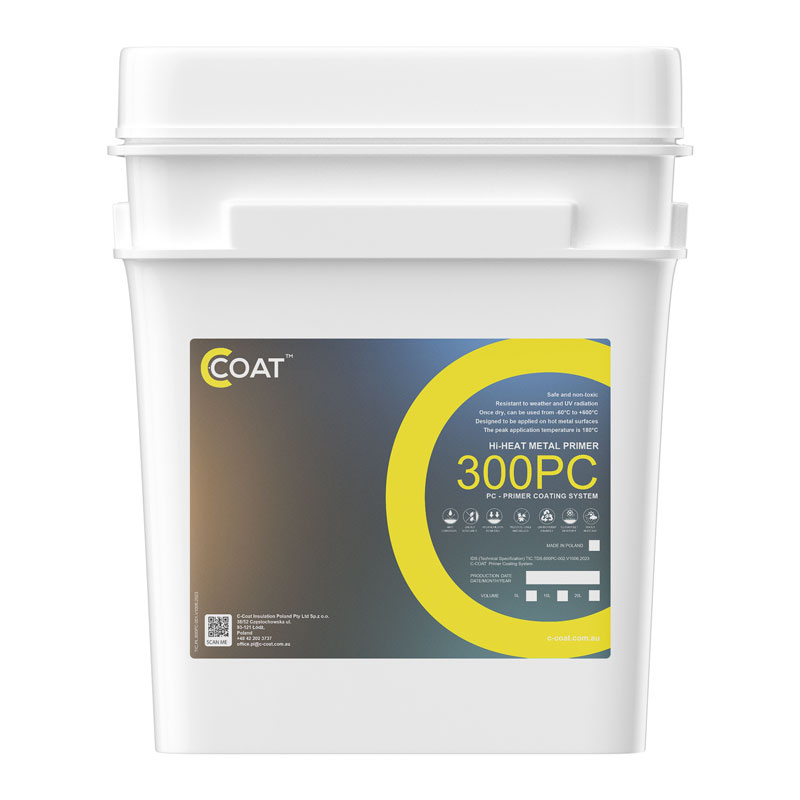
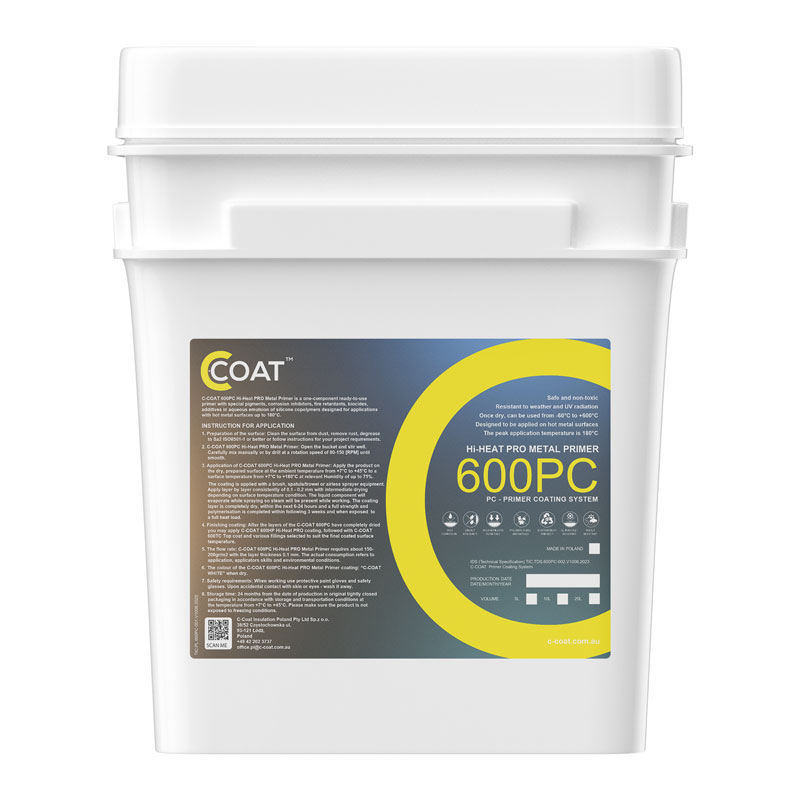
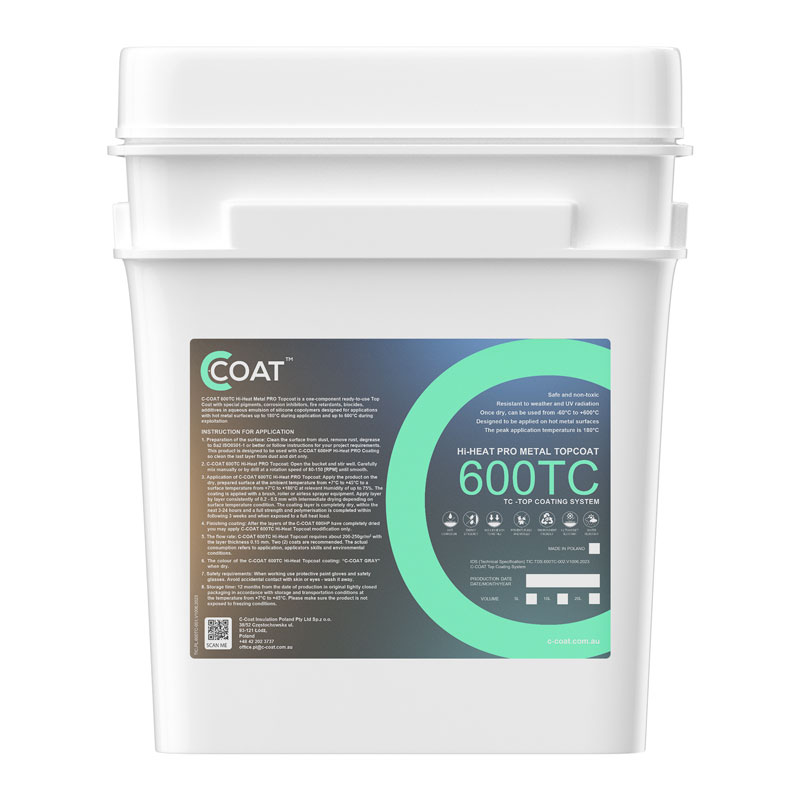
The choice follows the operating temperature: up to 200 °C the standard coating, up to 300 °C and up to 600 °C dedicated formulations with a matching primer and topcoat. Send the operating temperature, diameter and line length and you get a consumption calculation and a price.
Recommended products
Completed projects
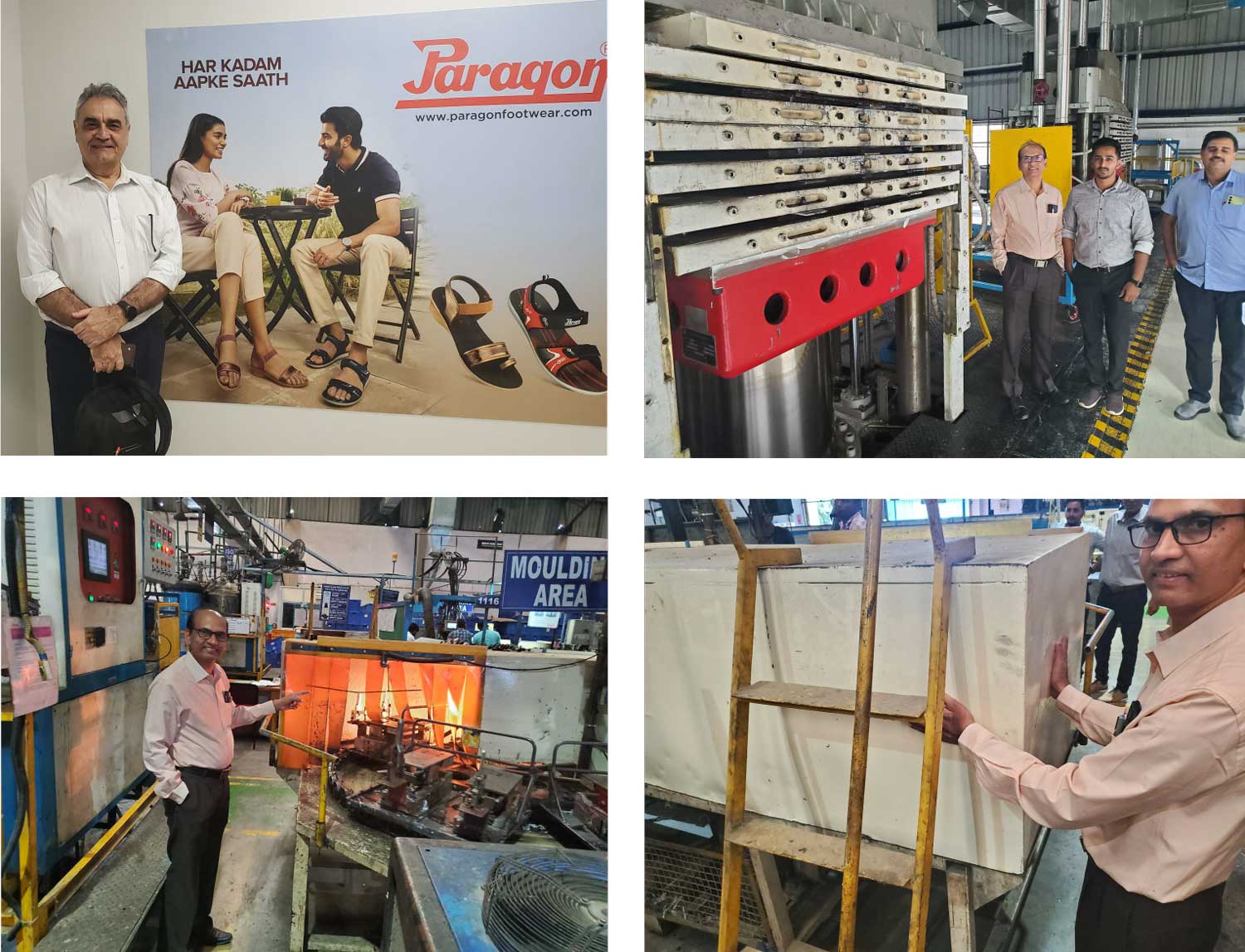
Footwear Factory Project Paragon India
Over two years, C-COAT's Indian distributor worked with Paragon's footwear process plant to prevent burn injuries and save energy, with Paragon engineers documenting the energy savings in a case study.
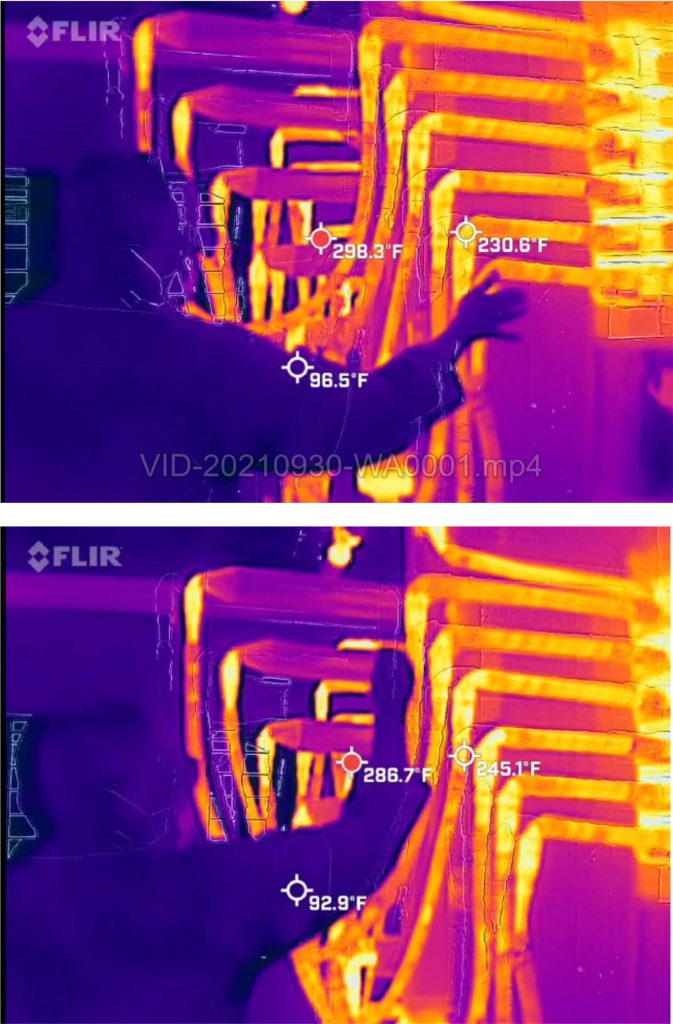
The “Safe to Touch” steam pipe 200oC project in INDIA
C-COAT's Indian distributor demonstrated the safe-to-touch feature over steam pipes with ~200C surface temperature, allowing bare-hand touch and publishing a surface vs safe-to-touch temperature graph.
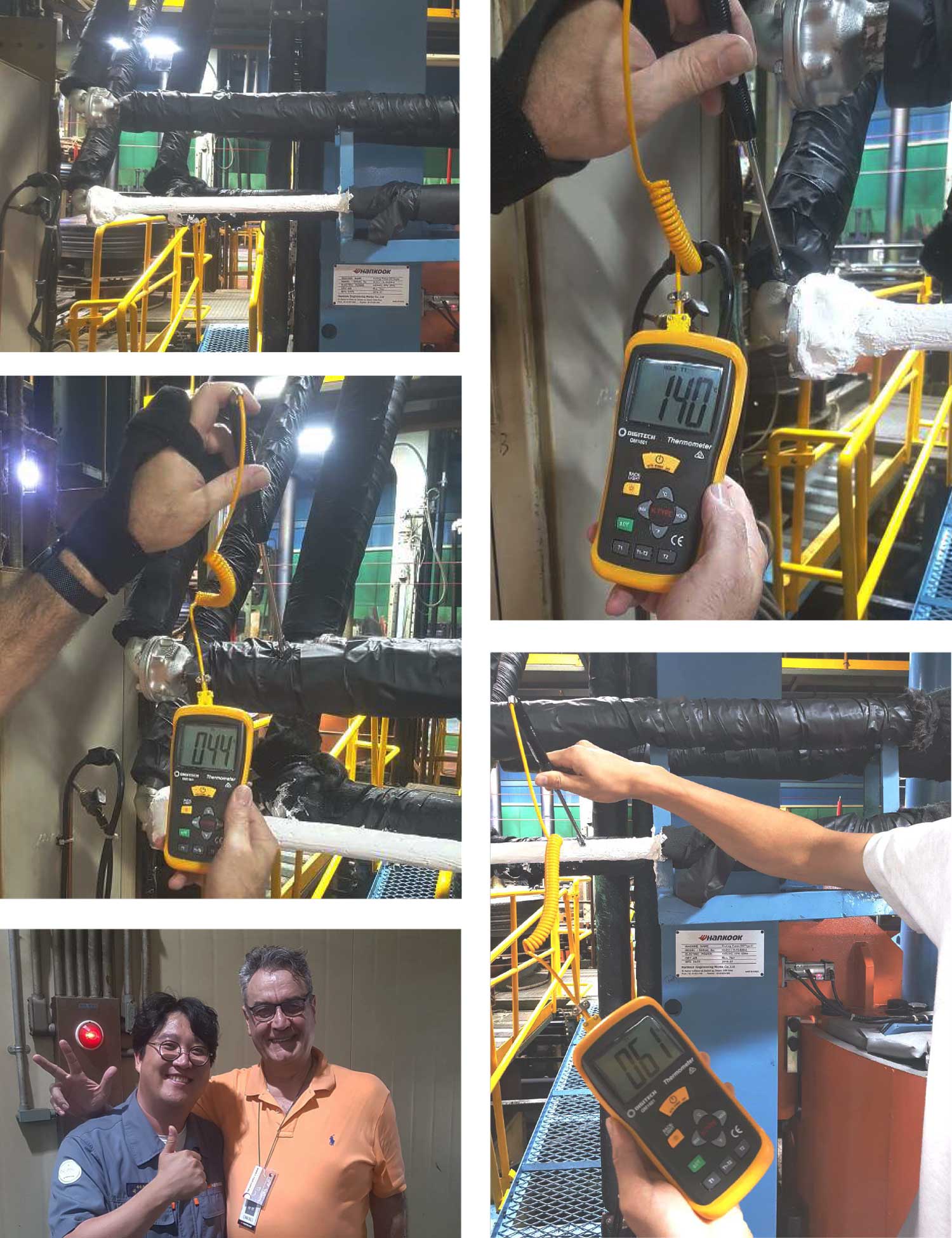
Hankook Tyre Factory South Korea
C-COAT was introduced to a major Korean tyre manufacturer as a replacement or complement for classic insulation over steam pipes and tyre moulds, demonstrating 43-68% temperature reductions.
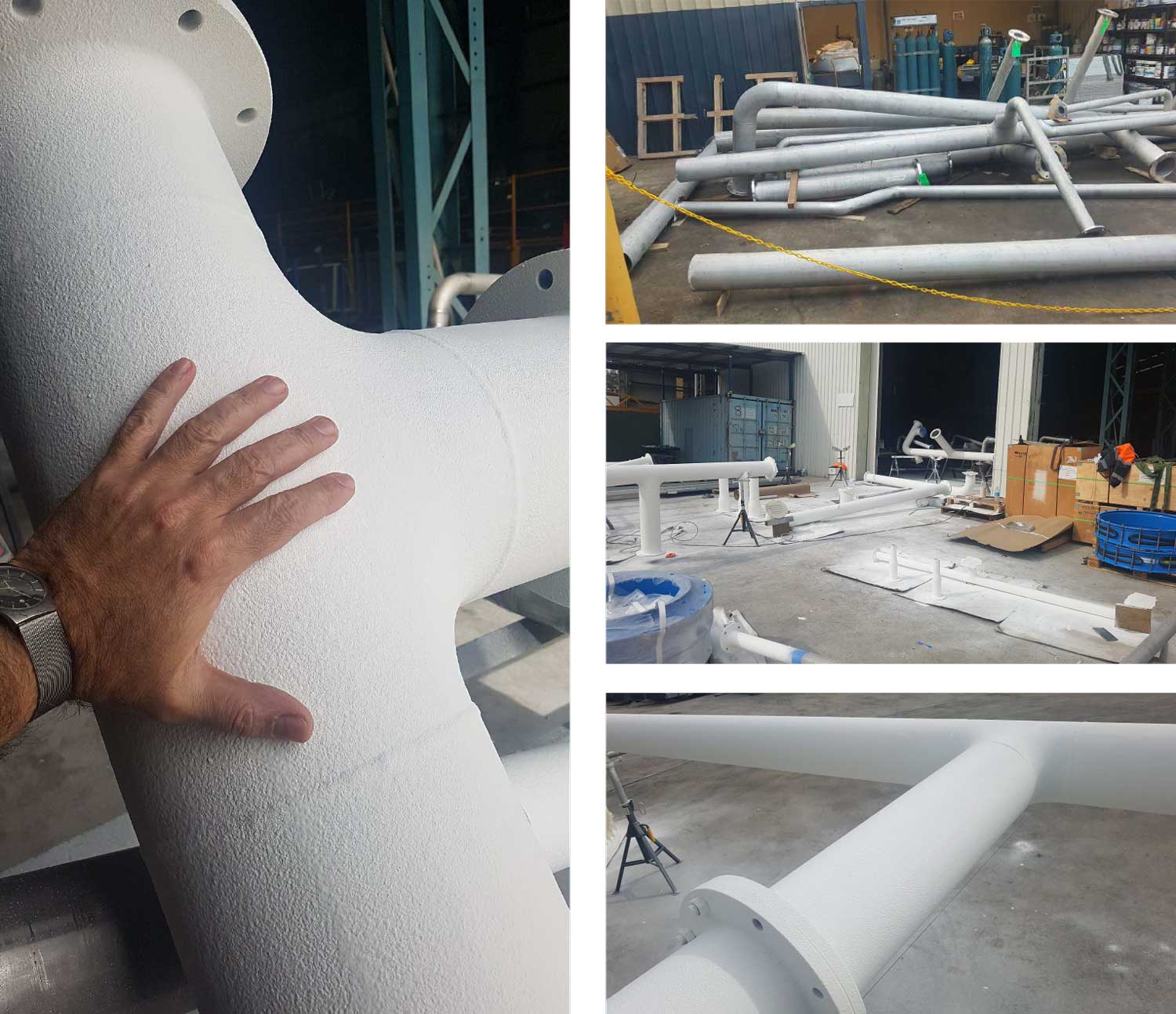
SUEZ Water Treatment Plant Steam Pipes by Brolton Group NSW
SUEZ requested a safe-to-touch feature for hot steam pipes (150-200C) in its water treatment plants to prevent staff skin burns; C-COAT protected staff and later showed an estimated 15-35% energy reduction.
Contact us
We reply within the business day. Leave a phone number for a faster answer.
Other industries
Contact
We use your details only to reply to your inquiry.