
Intumescent fire protection for steel and timber
Steel does not burn, but at around 500 °C it loses load-bearing capacity. A fire protection coating buys evacuation time by delaying the moment the structure reaches that temperature.
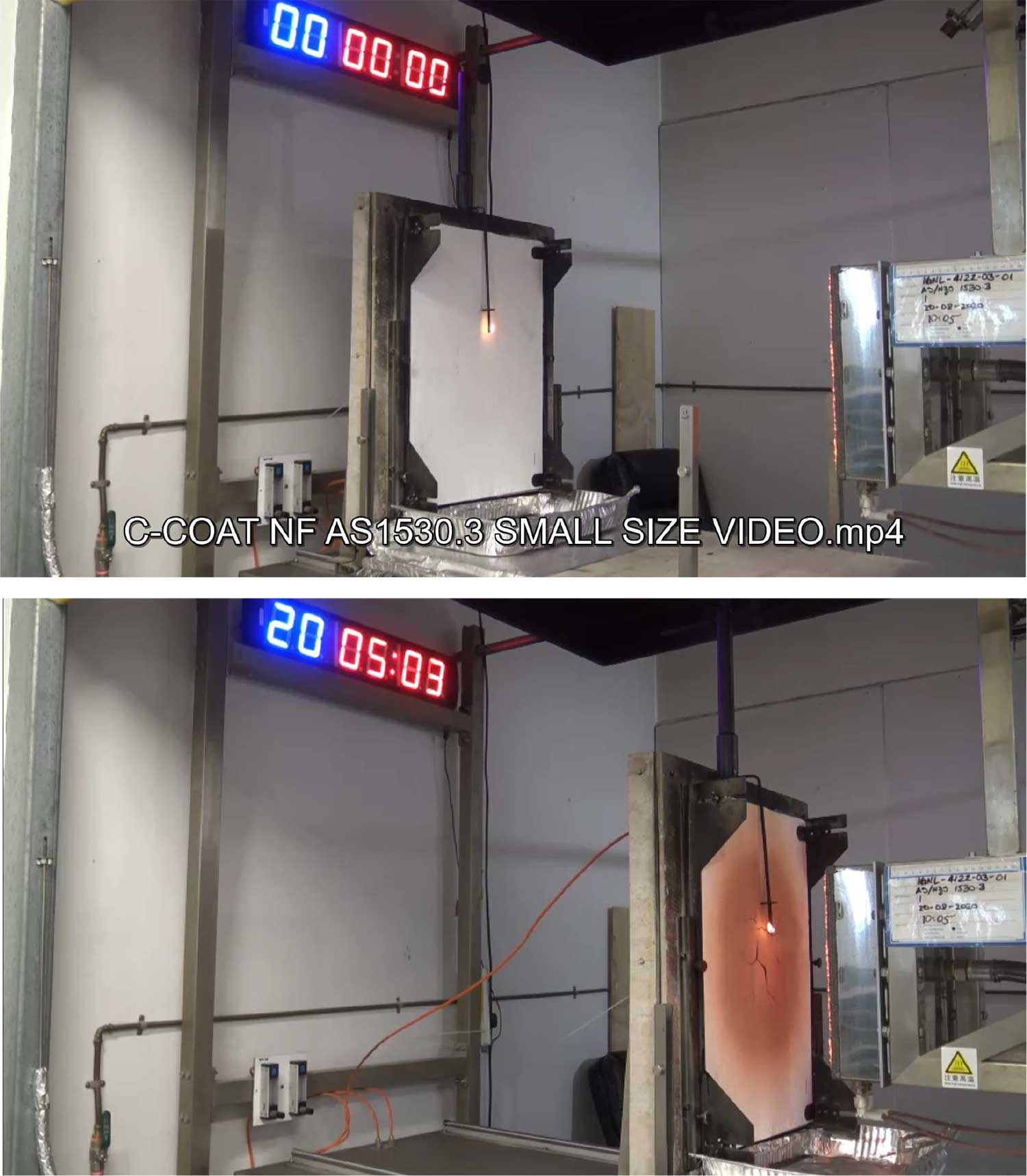
How an intumescent coating works
In a fire the layer swells and forms a char foam many times thicker than the applied film. That foam insulates the steel and slows the temperature rise in the section, extending the time to loss of capacity.
What we supply
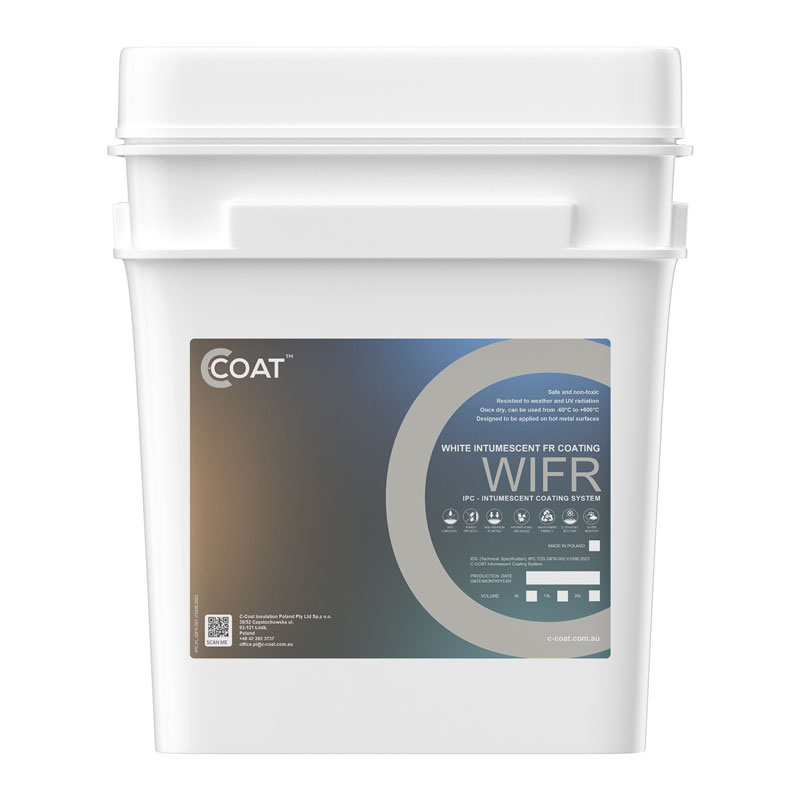
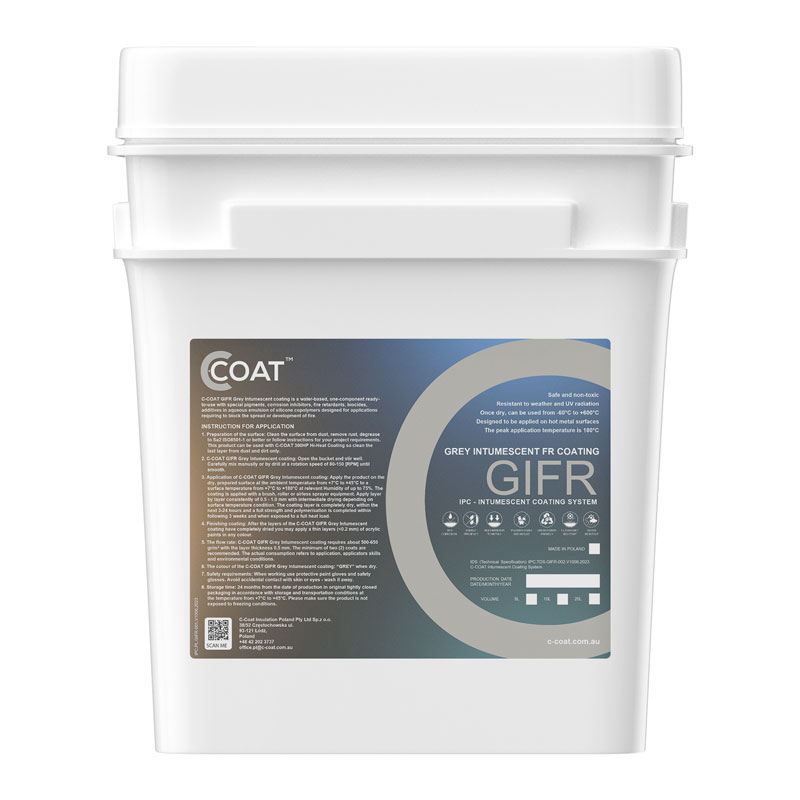
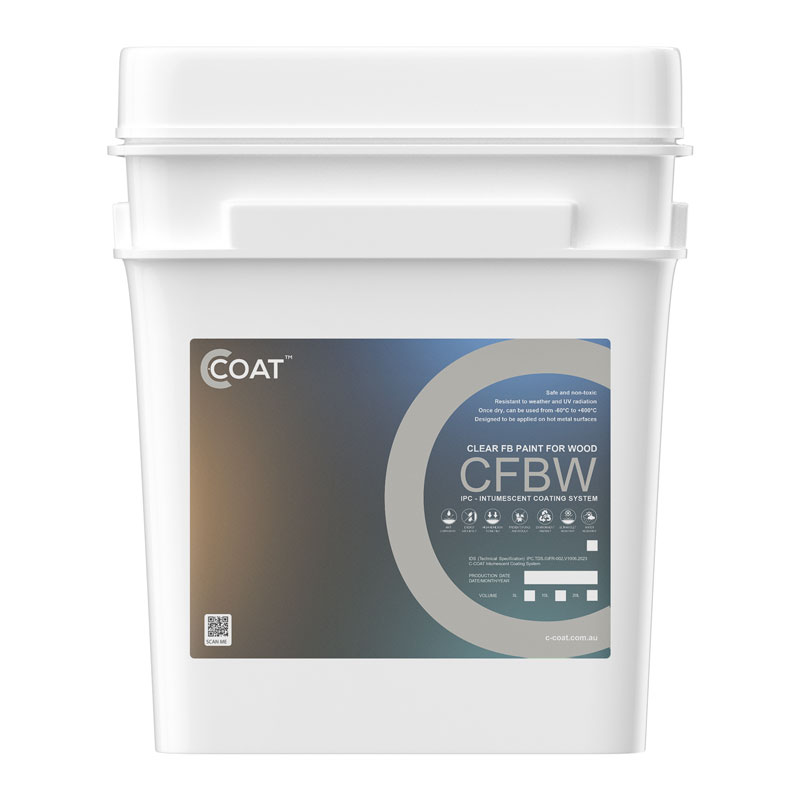
White and grey intumescent coatings for structural steel, and a clear fire-retardant coating for timber where the grain has to stay visible.
Laboratory testing
The first fire-resistance testing was carried out at the IGNIS laboratory in Australia. The reports are available in the Downloads section — for design documentation and site supervision that is the only acceptable evidence.
A limit worth knowing
Thermal coatings marked NF — 100M, 100F, 200ST, 300HH and 600HP — hold REACTION TO FIRE class B-s1,d0 (EN 13823, ISO 11925): limited contribution to fire, very little smoke, no flaming droplets. That is not the same as STRUCTURAL FIRE RESISTANCE and must never be specified in place of an intumescent coating — two different requirements met by different products.
How thickness is determined
Film thickness depends on the required resistance period and on the section factor of the profile. Send the schedule of sections and the required class and you get a thickness and consumption calculation.
Recommended products
Completed projects
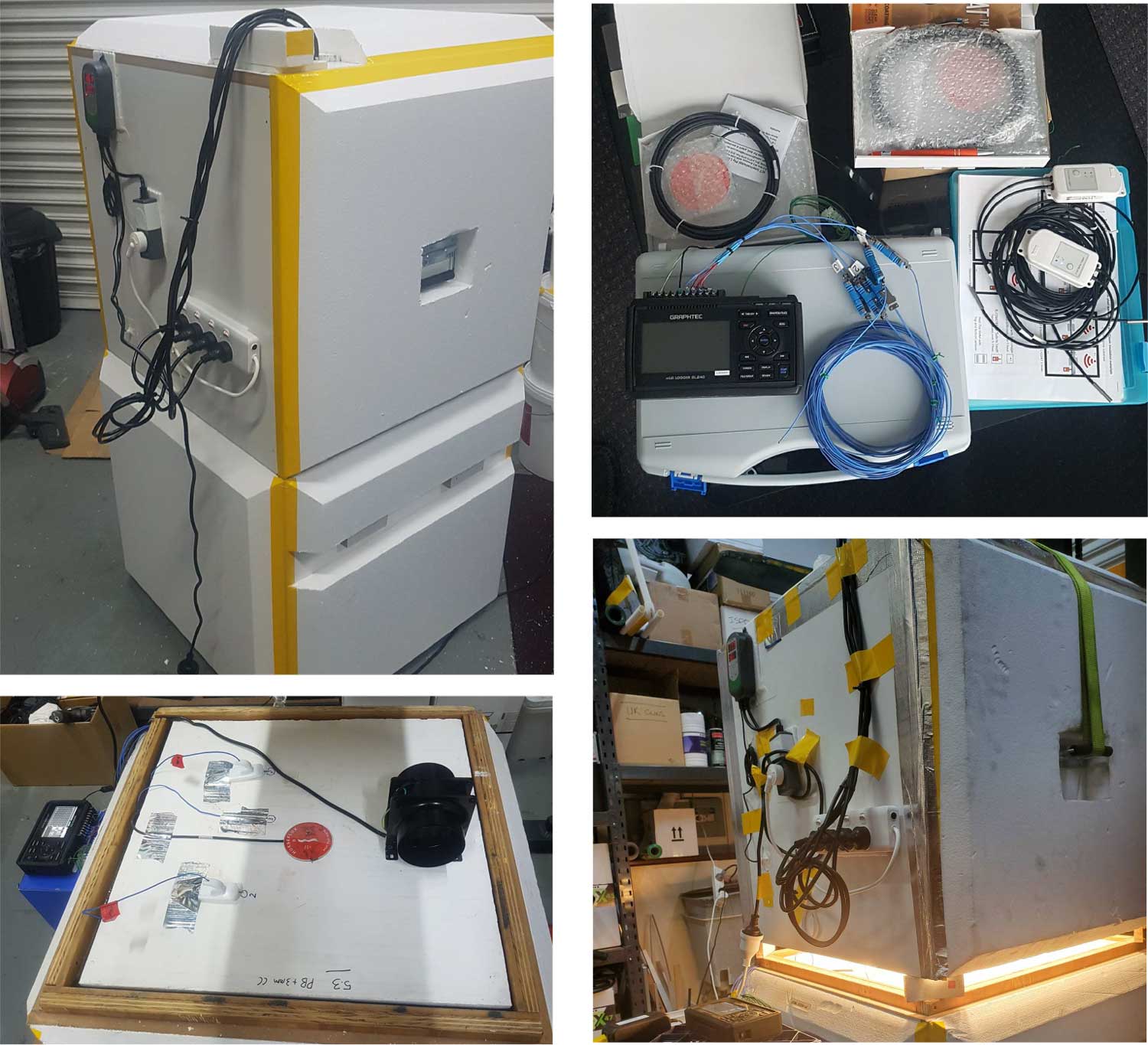
In-house Testing Chamber - Australia
C-COAT built a halogen-heated test chamber with heat flux and temperature sensors, collecting six months of data that led to patenting the C-COAT measurement model in December 2023.
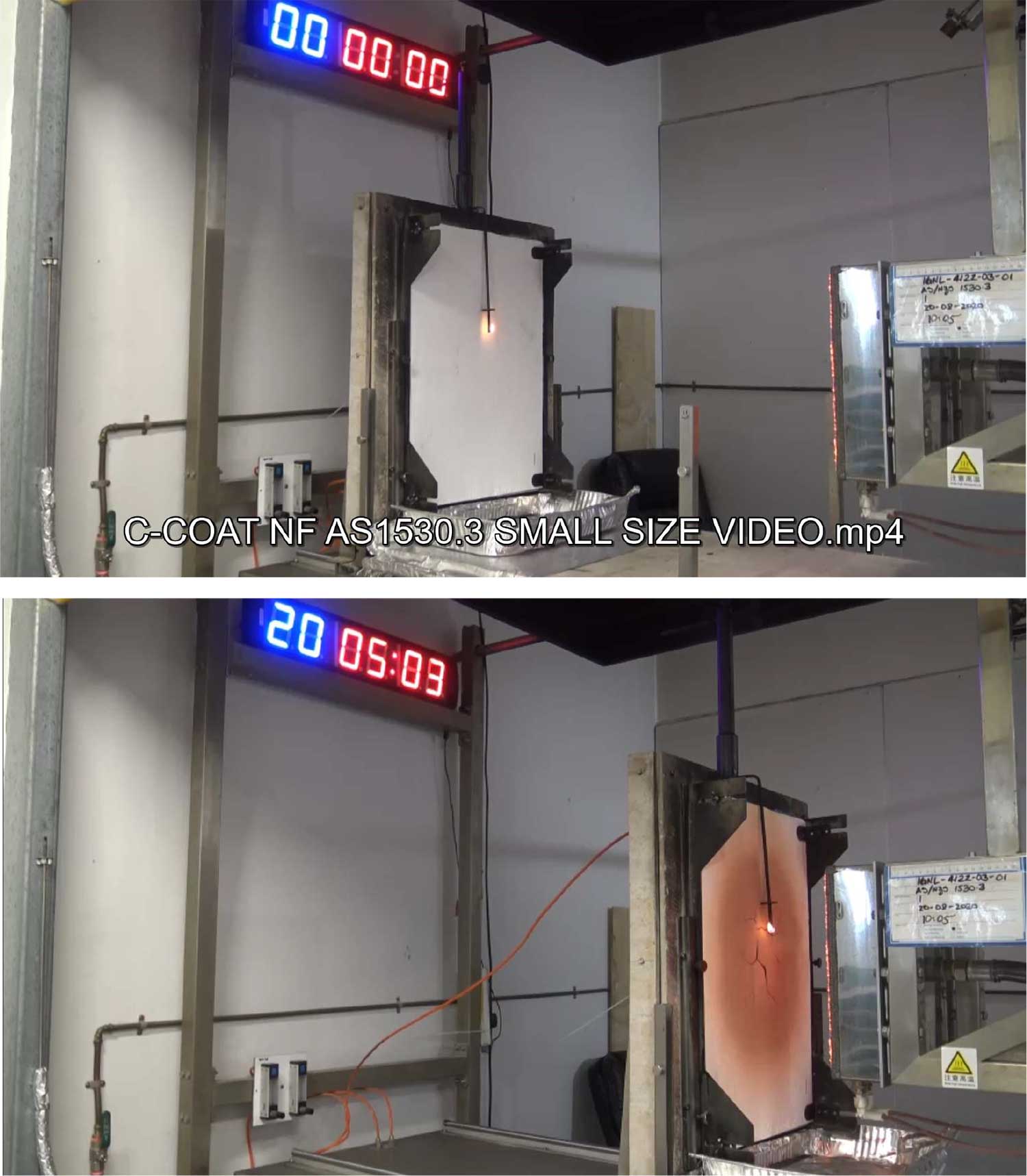
The first FR testing in IGNIS Laboratory in Australia
A 4.5mm fibre-cement board coated with C-COAT passed the strict Australian fire standard AS1530.3, and the accompanying Intumescent coating was also tested successfully.
Contact us
We reply within the business day. Leave a phone number for a faster answer.
Other industries
Contact
We use your details only to reply to your inquiry.